Poker in Culture: From the Card Table to the Big Screen and Beyond into Pop Culture

Poker in Culture: From the Card Table to the Big Screen and Beyond into Pop Culture
Poker is more than just a card game. It’s a cultural phenomenon that has evolved from smoky saloons and backroom games into a global symbol of strategy, risk, and human psychology. In the United States, poker is woven into the national story — a reflection of ambition, independence, and the thrill of taking chances. But how did this game of cards become such a powerful part of American and global culture?
From the Frontier to Fame
Poker’s roots stretch back to the early 19th century, when it spread along the Mississippi River and across the American frontier. Soldiers, riverboat gamblers, and pioneers played it in saloons and camps, turning it into a pastime that mirrored the rough-and-tumble spirit of the Wild West. It was a game of nerve and wit — a test of courage and character.
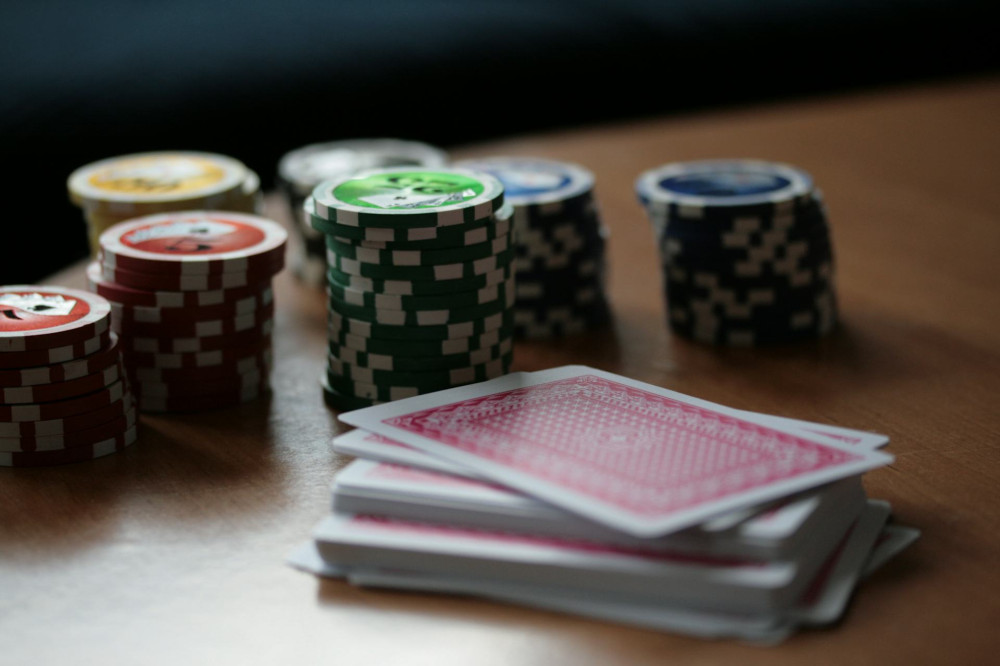
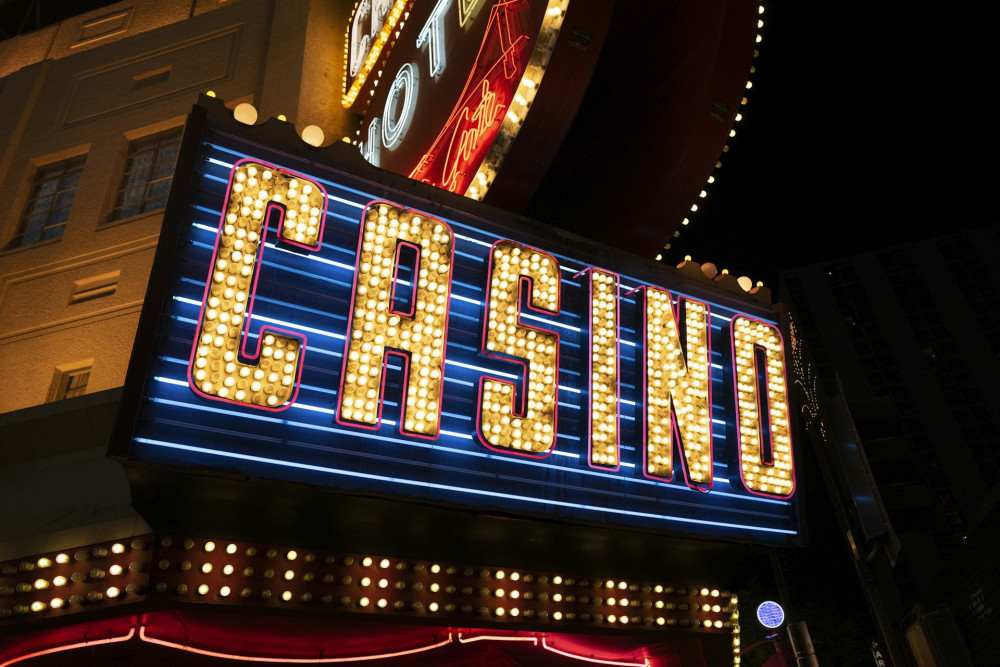
By the mid-20th century, poker had moved from the frontier to the casinos of Las Vegas. The game became more structured, and with the creation of the World Series of Poker (WSOP) in 1970, it gained a new level of prestige. Suddenly, poker wasn’t just a pastime — it was a sport, complete with champions, trophies, and televised drama. The WSOP helped transform poker into a legitimate competition, where anyone with skill and nerve could become a world champion.
Poker on the Big Screen
Hollywood has played a major role in shaping how Americans — and the world — see poker. Classic films like The Cincinnati Kid (1965), Rounders (1998), and Casino Royale (2006) turned the card table into a stage for tension, intellect, and emotion. In these stories, poker is rarely just a game; it’s a metaphor for life, love, and survival.
Rounders, in particular, became a cult favorite in the late 1990s. Its portrayal of underground poker culture inspired a new generation of players to take up Texas Hold’em. When online poker exploded a few years later, the film’s dream of turning skill into success suddenly felt within reach for millions.
Læs også:

The Language and Art of Poker
Poker has left a lasting mark on American language and art. Expressions like “playing your cards right,” “calling someone’s bluff,” and “poker face” have entered everyday speech, describing everything from business negotiations to political strategy. These phrases capture the essence of human interaction — reading others, managing risk, and keeping emotions in check.
In music, poker has long served as a metaphor for love, luck, and life’s uncertainties. From country ballads to pop anthems, artists have used the imagery of cards and bets to explore themes of risk and reward. Literature, too, has embraced poker as a lens for human psychology — a way to explore deception, ambition, and fate.
The Digital Revolution and the Poker Boom
The early 2000s brought a revolution. Online poker made it possible for anyone with an internet connection to play, and televised tournaments — complete with “hole card cameras” showing players’ hidden hands — turned poker into a spectator sport. The so-called “poker boom” created new celebrities, from Chris Moneymaker’s 2003 WSOP victory to the rise of professional online players who built careers from their living rooms.
Streaming platforms and social media have since made poker more accessible than ever. Fans can watch live games, follow their favorite pros, and even analyze hands in real time. Poker has become part of digital culture — a blend of entertainment, competition, and community.
Poker as a Mirror of Life
Poker fascinates because it mirrors the human condition. It’s a game of incomplete information, where logic meets luck and every decision carries weight. The cards you’re dealt may be random, but how you play them defines your outcome. That balance between skill and chance — between control and chaos — is what makes poker such a powerful cultural symbol.
In film, music, and everyday conversation, poker represents more than gambling. It’s about reading people, taking risks, and staying calm under pressure. It’s about knowing when to hold on and when to let go — lessons that resonate far beyond the felt table.
From the Card Table to Pop Culture — and Back Again
Today, poker is both a game and a global icon. It lives in movies, songs, memes, and the language we use every day. It’s played in casinos, online platforms, and home games across America — from Las Vegas to small-town kitchens. Whether for fun or for fortune, poker continues to connect people through competition, psychology, and storytelling.
In the end, poker’s enduring appeal lies in what it reveals about us. It’s not just about winning or losing — it’s about understanding the game, the players, and ourselves.
Læs også: