Casinos in Fiction: How Film, Literature, and Pop Culture Have Shaped Our View of Gambling

Casinos in Fiction: How Film, Literature, and Pop Culture Have Shaped Our View of Gambling
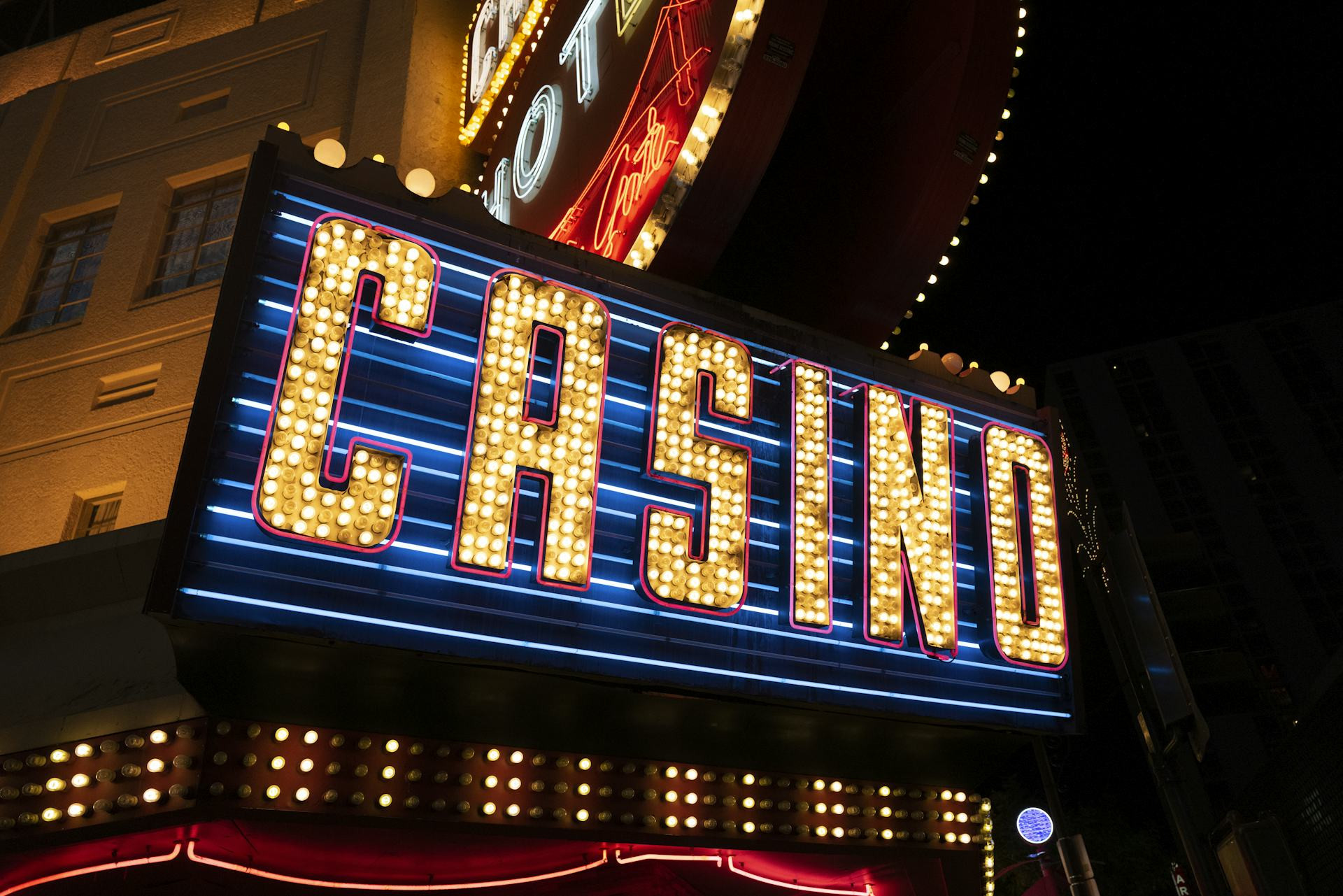
The casino has always held a special place in the American imagination. It’s a space where luck and fate collide, where glamour meets danger, and where one decision can change everything. In film, literature, and pop culture, the casino has become a symbol of both the dream of wealth and the peril of excess. But how exactly has fiction shaped our perception of gambling—and why do we remain so captivated by the spinning roulette wheel, the shuffle of cards, and the glow of neon lights?
The Casino as a Stage for Drama and Destiny
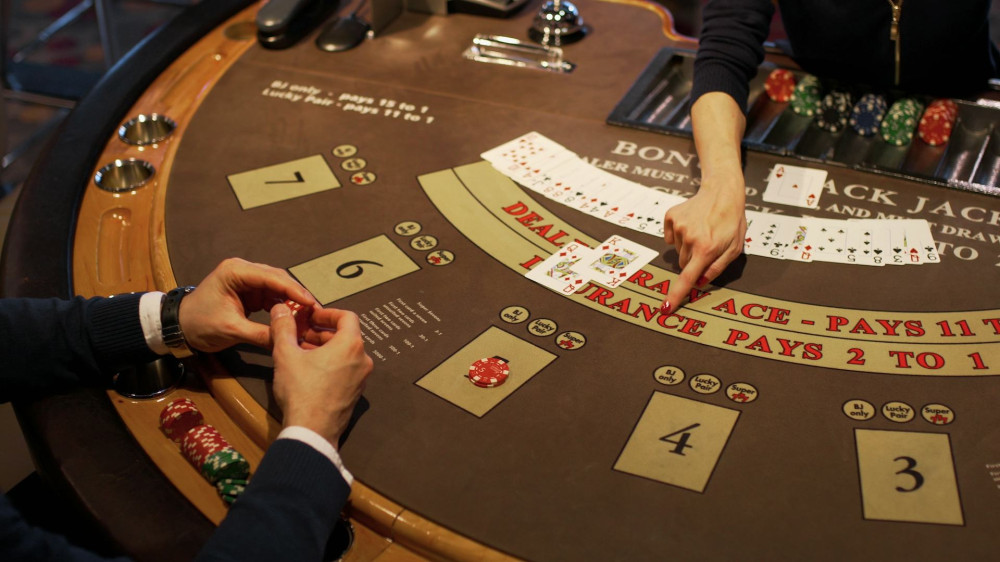
In cinema, the casino is rarely just a setting—it’s a character in its own right. From the smoky rooms of classic Las Vegas tales to the sleek, high-stakes worlds of modern thrillers, the casino serves as a backdrop for human drama: ambition, deception, love, and loss. It’s a place where everything is at stake, and where characters reveal who they truly are through the risks they take.
Iconic films have turned the casino into a symbol of both control and chaos. The sharply dressed gambler who calmly bets it all on black embodies the fantasy of mastering chance—a fantasy that rarely survives contact with reality. At the same time, the casino often stands as a metaphor for life’s unpredictability: you can plan every move, but fate always has the final say.
Literature’s Insight into the Psychology of Gambling
In literature, the casino often becomes a mirror for the human psyche. Writers from Fyodor Dostoevsky to modern American novelists have explored gambling as a struggle between reason and desire, freedom and addiction. In novels and short stories, the act of betting becomes a metaphor for the human search for meaning—and for the destructive power of trying to outwit chance.
While film tends to highlight the glamour and excitement, literature digs deeper into the psychology. It reveals how gambling can turn into obsession, how the lights and sounds of the casino can shift from promise to trap. Through these stories, we come to understand that the fascination with gambling isn’t just about money—it’s about control, identity, and the longing to escape the ordinary.
Pop Culture’s Double Image: Glamour and Warning
In American pop culture—from music videos to television and advertising—the casino is often portrayed as a place of luxury, freedom, and success. The visual language of sequined dresses, champagne, and big wins has made the casino a symbol of the modern adventure. Yet there’s almost always an undercurrent of caution: behind the glamour lurks the risk of loss, deceit, and addiction.
This duality makes the casino one of the most enduring motifs in popular culture. It represents both the dream of hitting it big and the fear of losing everything. In an era when online gambling and digital casinos are just a click away, this narrative continues—only the setting has changed. The screen has replaced the gaming table, but the fascination remains the same.
Læs også:



From Fiction to Reality—and Back Again
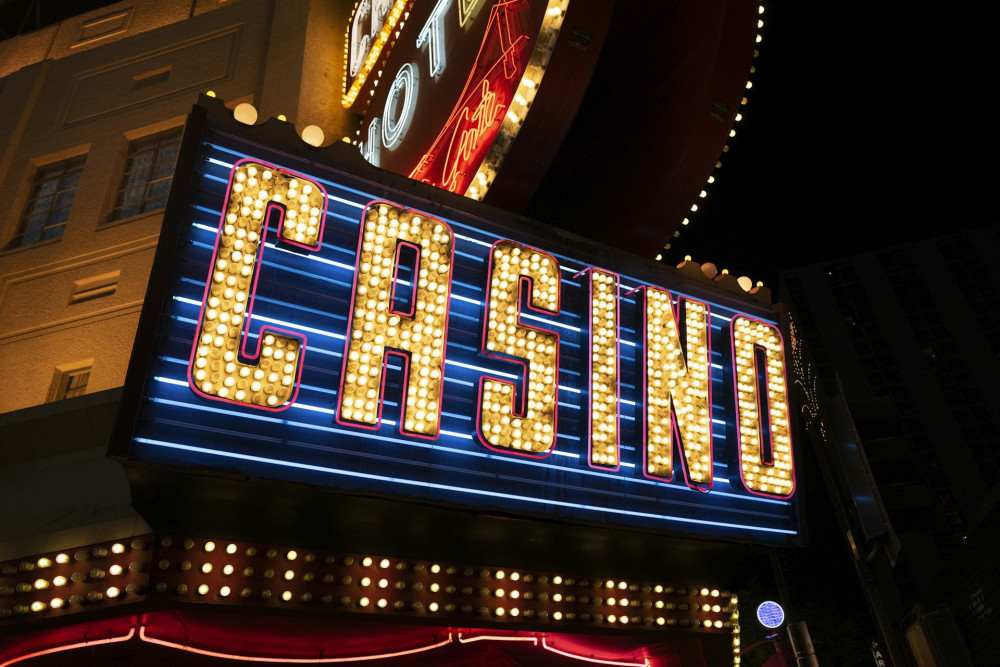
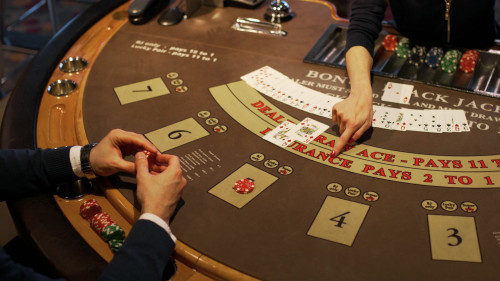
Fiction hasn’t just reflected our view of casinos; it has helped shape it. Many Americans still associate casinos with the cinematic allure of Las Vegas—the bright lights, the high stakes, the promise of fortune—even though the real experience is often more subdued. At the same time, the casino industry has borrowed heavily from fiction, designing spaces and marketing campaigns that echo the stories we’ve seen on screen.
When we watch a film or read a novel about gambling, it’s rarely just about money. It’s about hope, risk, and the human desire to test fate. The casino in fiction reminds us that every game of chance is, at its core, a story about ourselves.
Læs også: