Keep a Cool Head: How to Stay in Control and Make Better Gaming Decisions

Keep a Cool Head: How to Stay in Control and Make Better Gaming Decisions
When the excitement builds and your heart starts racing, keeping a cool head can be a real challenge. Whether you’re playing poker, blackjack, or online slots, your ability to stay calm and make rational choices can make all the difference—both in the short and long run. Gaming isn’t just about luck; it’s also about psychology, self-control, and strategy. Here’s how you can strengthen your mental game and make smarter decisions when the pressure is on.
Know Your Emotions—and Learn to Manage Them
Emotions play a huge role in gaming. Joy, frustration, excitement, and disappointment can all influence your decisions. Many players know the feeling of chasing a loss or betting too high after a win. That’s called “playing on tilt,” and it rarely ends well.
The first step toward better decision-making is becoming aware of your emotional state. Ask yourself: How am I feeling right now? If you’re tired, stressed, or irritated, it’s probably not the best time to play. Taking a break might be the smartest move you make all day.
Læs også:
Set Clear Limits—Before You Start Playing
One of the most effective ways to stay in control is to set boundaries before you begin. That means limits on both time and money. Decide in advance how much you’re willing to spend and how long you’ll play—and stick to it.
- Set a budget: Think of it as entertainment, not an investment.
- Use time limits: Set an alarm or use built-in gaming tools to remind you to take breaks.
- Accept losses as part of the game: No one wins every time, and knowing when to stop is key to staying in control.
When you have clear limits, it’s easier to make rational choices—even when the game heats up.
Think Like a Strategist, Not Just a Gambler
Smart gaming is about understanding probabilities and consequences. Instead of relying on gut feelings or hope, use knowledge and strategy. Learn the rules, understand the mechanics, and know how the odds work.
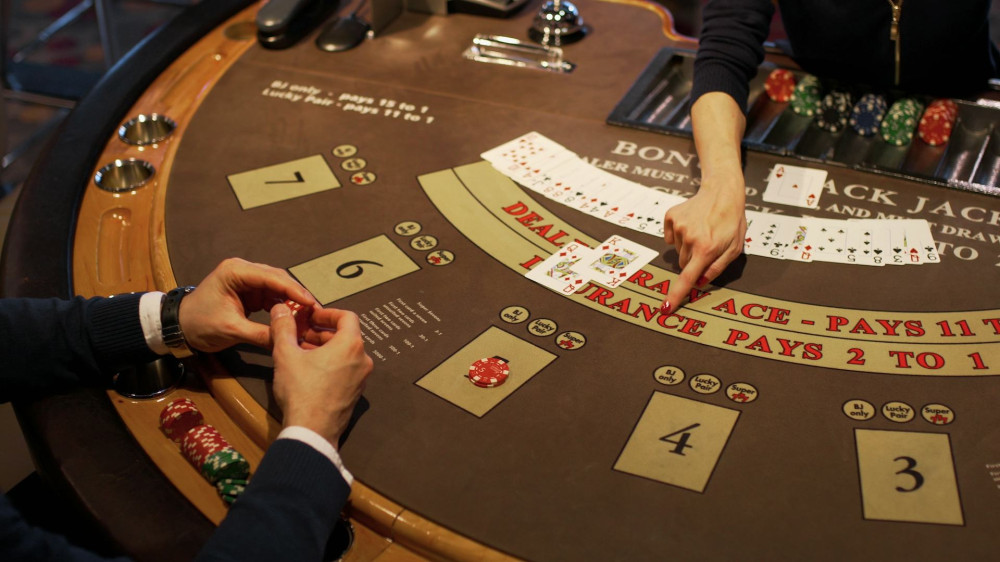
For example, in card games like blackjack, it pays to know basic strategy. In poker, it’s about reading your opponents and managing your patience. Even in games where luck plays a big role, you can improve your chances by staying disciplined and avoiding impulsive decisions.
Take Breaks—and Give Your Brain a Rest
The longer you play without a break, the more your decision-making ability declines. This is known as “decision fatigue.” The more tired your brain gets, the more likely you are to make poor choices.
That’s why breaks aren’t a sign of weakness—they’re a sign of strength. Get up, stretch, grab some water, or step outside for fresh air. Many professional players schedule regular breaks to stay focused and prevent emotions from taking over.
Learn From Every Session—Wins and Losses Alike
After a gaming session, take a few minutes to reflect on what went well and what didn’t. This isn’t about blaming yourself—it’s about learning. You might even jot down notes about your decisions and results to spot patterns over time.
Ask yourself:
- When did I make good decisions—and why?
- When did emotions take over?
- What can I do differently next time?
This kind of self-awareness is key to improving as a player—and to staying in control when the game gets intense.
Play Responsibly—and Know Your Limits
Gaming should be fun and entertaining. If you ever feel like it’s taking up too much space in your life or you’re losing control, it’s important to act. Most online gaming platforms offer tools to set limits or take breaks, and there are confidential support services available if you need help.
Responsible gaming isn’t about avoiding play altogether—it’s about doing it in a way that keeps you in charge, both mentally and financially.
A Cool Head Leads to Better Decisions
Keeping a cool head isn’t just about willpower—it’s about preparation, self-awareness, and discipline. When you know your limits, understand your emotions, and take breaks when needed, you become a stronger, more focused player—no matter what game you’re playing.
Gaming is about more than luck. It’s about thinking clearly, acting deliberately, and enjoying the experience without losing your balance. And it all starts with one simple principle: stay calm, and you’ll make better decisions.
Læs også: