Cremation in Transition: When Farewells Become More Personal and Flexible
Cremation in Transition: When Farewells Become More Personal and Flexible
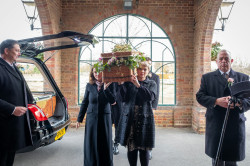
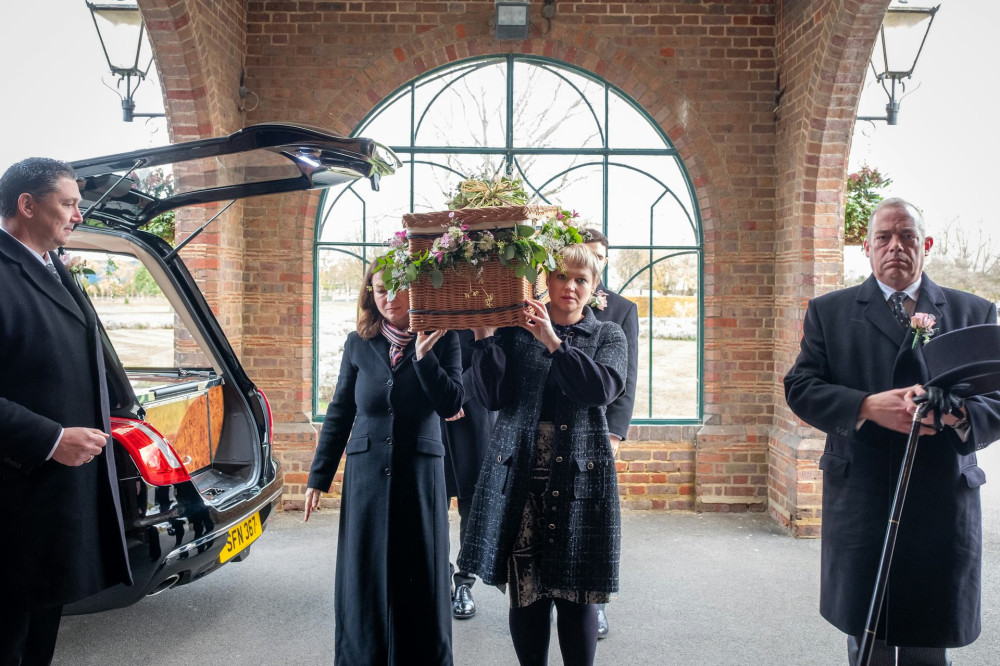
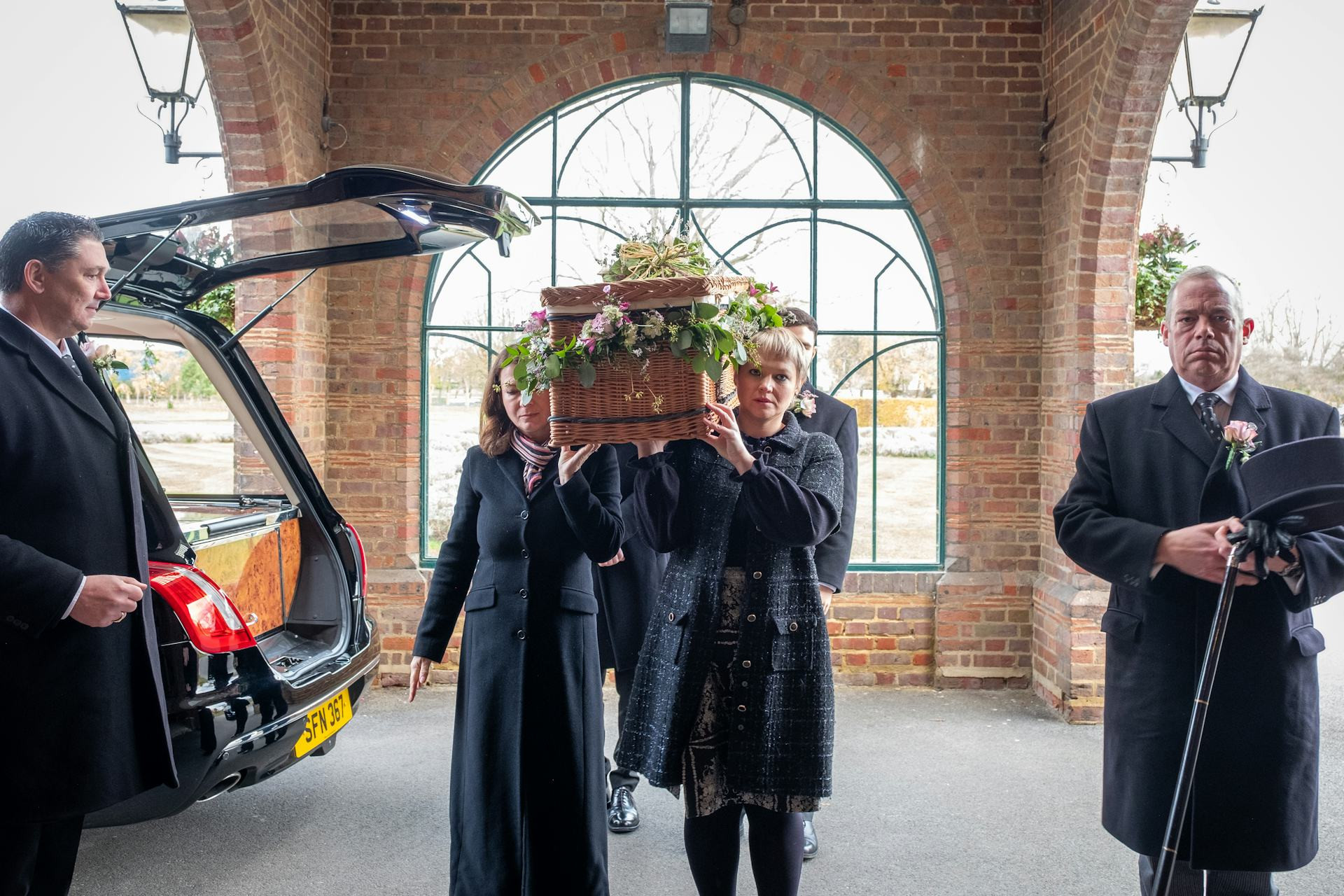
Cremation has become the most common form of farewell in the United States today. Once seen as a fairly uniform and formal process, it has evolved significantly in recent years. More families are seeking ways to make the farewell personal, and new options make it easier to create ceremonies that reflect the life, values, and wishes of the person who has passed. At the same time, changes in technology, culture, and even state regulations have made it possible to think more flexibly—about time, place, and form.
A Growing Trend Toward Personalization
As American society becomes more individualistic, that shift is also reflected in how we say goodbye. Where traditional funerals once followed a predictable pattern, many now choose cremation because it offers greater freedom. Ashes can be placed in a cemetery, scattered in nature, or kept in an urn designed to reflect the personality of the deceased.
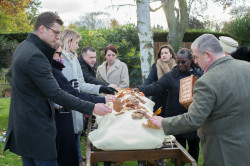
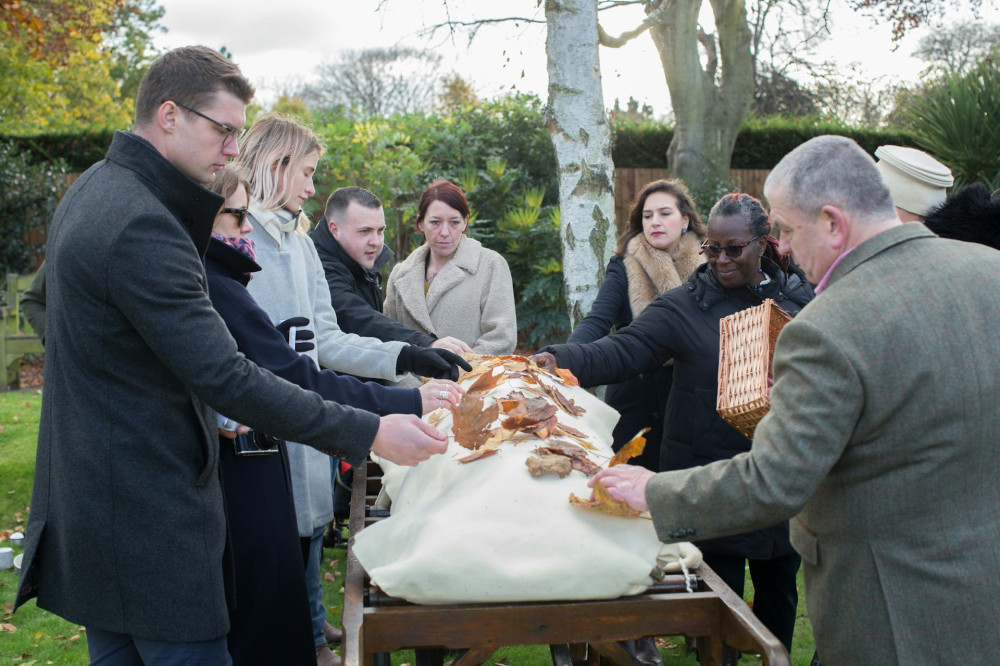
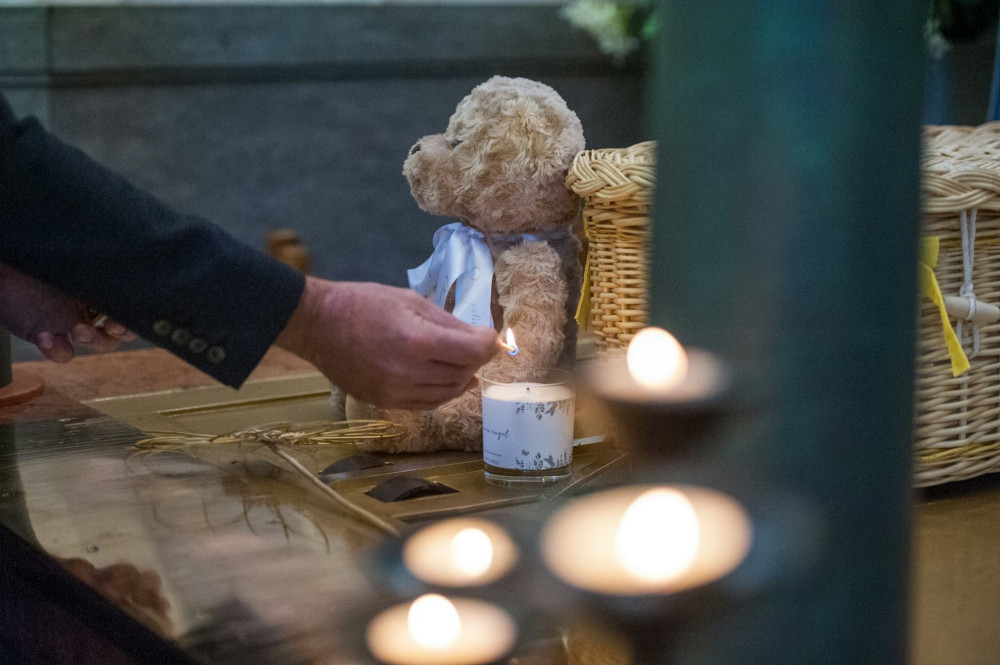
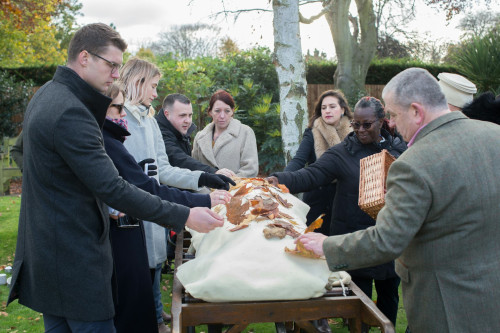
Funeral directors across the country report a growing demand for ceremonies that break from convention. Families might choose to hold a memorial in a favorite park, play music that held special meaning, or invite guests to share stories in a relaxed setting. For many, it’s about creating an experience that feels authentic and heartfelt—rather than following tradition for its own sake.
Læs også:
New Ways to Remember and Connect
Technology has also reshaped how we remember. Online memorial pages, livestreamed services, and digital guestbooks allow friends and relatives to participate and share memories even when they can’t be physically present. This became especially important during the COVID-19 pandemic, when many families had to find alternative ways to gather and grieve.
At the same time, new forms of memorialization have emerged. Some choose biodegradable urns that can be planted to grow a tree, while others have a portion of the ashes turned into jewelry, glass art, or even incorporated into coral reefs. These creative options offer a sense of continuity—the idea that a life can take on new meaning in another form.
Flexibility in Time and Place
One of the major advantages of cremation is flexibility. While a burial typically requires a quick timeline, cremation allows families to plan a service when they are ready. This can be a relief for those who need time to gather loved ones from across the country or simply to process their loss before holding a ceremony.
Cremation also opens up more choices about location. Some families hold services in funeral homes or chapels, while others choose beaches, mountains, or backyards—places that held special significance. This freedom helps create farewells that feel more personal and meaningful, offering comfort and a sense of peace amid grief.
Environmental and Ethical Considerations
Environmental awareness is playing a larger role in end-of-life decisions. Traditional cremation uses energy and releases carbon emissions, but newer technologies—such as water-based cremation (alkaline hydrolysis)—are emerging as more sustainable alternatives. Although not yet legal in every state, this method is gaining attention as Americans look for greener ways to say goodbye.
Transparency and ethics are also increasingly important. Families want to understand what happens before, during, and after cremation, and funeral professionals are responding by offering clearer communication and more involvement in the process. This openness helps build trust and ensures that the farewell aligns with the family’s values.
A New Way of Saying Goodbye
The evolution of cremation shows that it is no longer just a practical choice—it’s part of a broader movement toward more personal and meaningful farewells. It’s not only about how the body is handled, but about how a life is remembered.
For many, the farewell becomes a story—about love, values, and the moments that shaped a person’s life. In that sense, cremation in transition reflects a deeper cultural shift: toward farewells that are more flexible, more conscious, and more personal than ever before.
Læs også: