A Home with Room for Grief – and for Healing


A Home with Room for Grief – and for Healing
When life is struck by loss, the home changes. The rooms that once echoed with voices, laughter, and daily routines can suddenly feel hollow. Grief moves in—quietly, but completely. Yet home is also where healing begins. It’s where we can breathe, remember, and slowly find our footing again. But how do we create a home that holds both sorrow and the possibility of living on?
When the Home Becomes a Silent Witness
After a death, a home can feel like a museum of what once was. A chair sits empty, a scent lingers in the air, and every object seems to carry a memory. It can be painful, but also comforting. Many people find it helpful to leave things as they are for a while—to give themselves time to grasp that the loss is real.
Gradually, it can bring relief to make small changes: moving furniture, opening windows, letting in light. These small acts mark that life continues, even though it has changed.
Creating Space for Memories – and for Calm
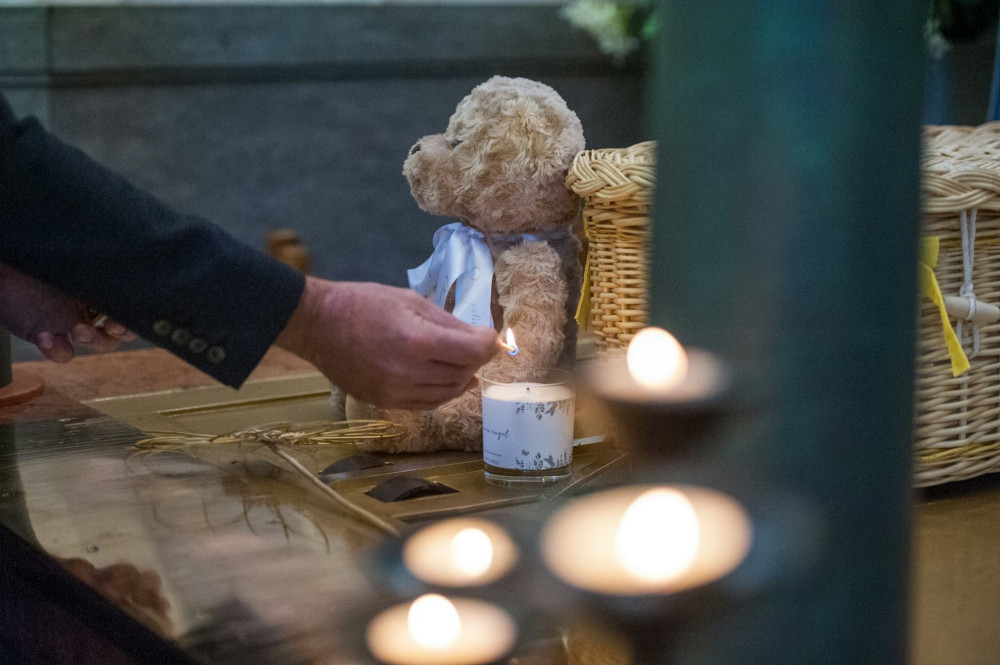
A home that makes room for grief doesn’t mean removing every reminder of the person who is gone. On the contrary, it can be healing to create a special place for memories—a shelf with photos, a candle, a vase of flowers. A spot where you can pause and remember.
At the same time, it’s important to have spaces where you can rest and find calm. Grief demands pauses. A corner with a chair, a blanket, and a cup of tea can become a small refuge in the midst of pain. It’s not about forgetting, but about allowing yourself to rest in what is.
Læs også:




Let Grief Take Up Space – But Not All of It
Grief isn’t linear. It comes in waves, and some days feel heavier than others. It can be tempting to try to stay in control—to clean, plan, or keep busy. But sometimes the most important thing is to make room for what hurts.
Allow yourself to cry, to be angry, to miss. And also allow moments of joy to return. Many people feel guilty when laughter reappears, but joy and sorrow can coexist. It’s in that balance that healing begins.
When Others Step Into the Home
For many, it’s difficult when friends and family visit after a loss. Should you talk about the person who died? Should you act as if nothing happened? There’s no single right way—but honesty helps. Tell people what you need. Some days you may want to share memories; other days, you may just want quiet company.
A home with room for grief is also a home where guests can be uncertain but sincere. What matters most is presence—not perfect words.
Small Steps Toward Healing
Healing doesn’t happen overnight. It grows slowly, often without you noticing. Maybe you start opening the curtains a little earlier, taking a walk, or inviting someone over for dinner. It’s not a sign that grief is gone, but that life is finding its way back in.
Some find comfort in rituals—lighting a candle each evening, writing letters to the one who’s gone, or marking special days with a quiet moment. Others seek support from a pastor, therapist, or grief group. There’s no single path, only your own.
A Home That Holds Both Loss and Life
A home with room for grief isn’t free of pain. It’s a home where sorrow is allowed to be part of the story—but not the whole story. Where memories live alongside new experiences, and where love for the one who is gone still has a place.
Creating such a home isn’t about decoration—it’s about care. Care for yourself, for the one you miss, and for the life that continues.
Læs også: