Comfort Without Dogma: When Nature, Art, and Faith Point the Way to Hope
Comfort Without Dogma: When Nature, Art, and Faith Point the Way to Hope
When life hits hard—through loss, illness, or crisis—many of us look for comfort. But comfort doesn’t always have to come from religion or fixed beliefs. It can be found in the rhythm of nature, in the language of art, or in a personal sense of faith that doesn’t follow a particular creed. In a time when more Americans describe themselves as “spiritual but not religious,” yet still long for meaning, the question becomes: How do we find hope without having to believe in something specific?
Nature as a Quiet Companion
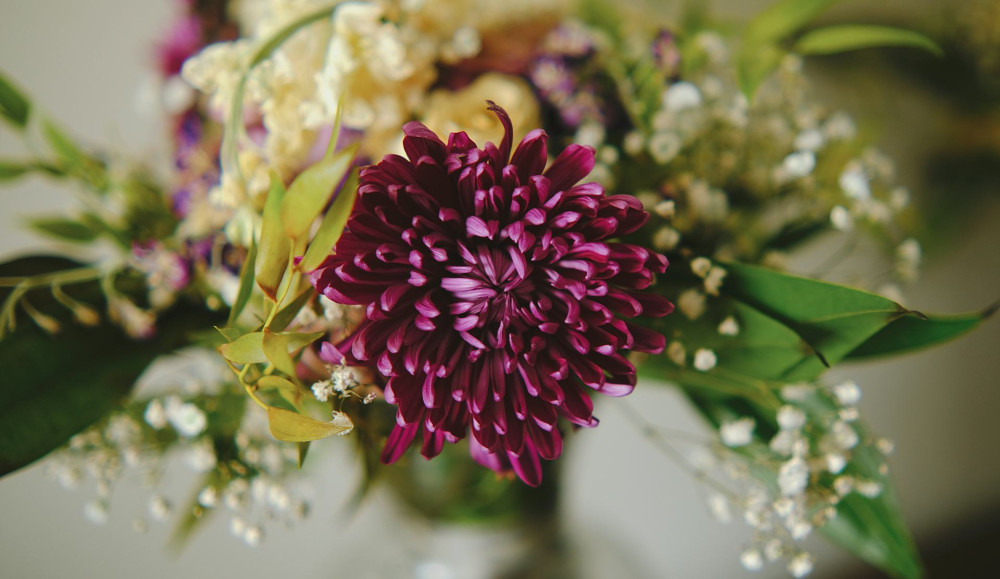
For many, comfort begins outdoors. A walk through a forest trail, the sound of waves along the coast, or the sight of a sunrise over the mountains can bring a peace that words can’t quite capture. Nature reminds us that everything is connected, that life and death are part of the same cycle. When grief feels overwhelming, it can be grounding to notice that the world keeps turning—the birds still sing, the seasons still change, and light returns after darkness.
Research in the U.S. has shown that time in nature can reduce stress and foster a sense of belonging. It’s not about escaping pain, but about finding a space where we can breathe freely and feel part of something larger than ourselves. Whether it’s a national park, a neighborhood garden, or a quiet bench under a tree, nature offers a kind of solace that asks for nothing in return.
Art’s Language for the Unspeakable
Art gives shape to what we can’t always express. A painting, a piece of music, or a poem can hold sorrow, longing, and hope all at once. When we stand before a work of art that moves us, or hear a melody that touches something deep inside, it can feel like being understood—without having to explain.
Across the country, people find healing in creative spaces: community art programs, local galleries, concerts, or simply sketching or writing at home. Art doesn’t demand belief; it invites feeling and reflection. It allows us to sit with our emotions, to see them transformed into color, sound, or story—and in that transformation, to glimpse hope.
Faith Without Dogma – A Personal Path
Even as organized religion declines in the U.S., many still hold on to a quiet kind of faith. For some, faith means trust—trust in life, in love, in the idea that meaning exists even when we can’t see it clearly. It may not come with rituals or doctrines, but it carries a deep sense that we are not entirely alone.
Pastors, philosophers, and therapists alike often note that faith doesn’t have to be tied to a specific religion to bring comfort. It can be faith in the endurance of love, in the goodness of people, or in the possibility of renewal after loss. This kind of faith is open and inclusive—a space where hope can grow without the need for certainty.
Læs også:
The Power of Community
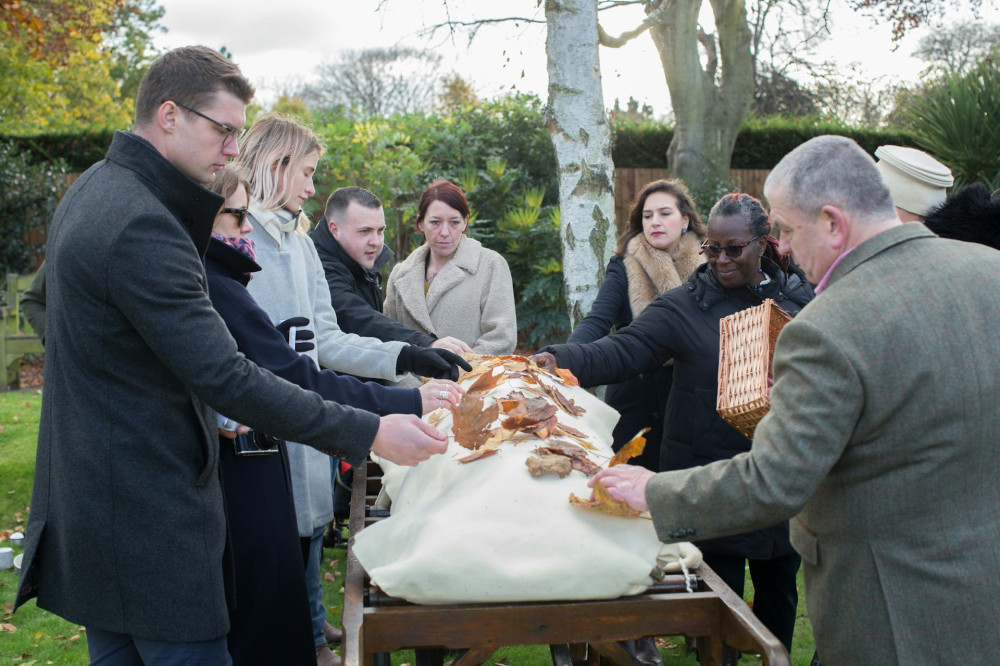
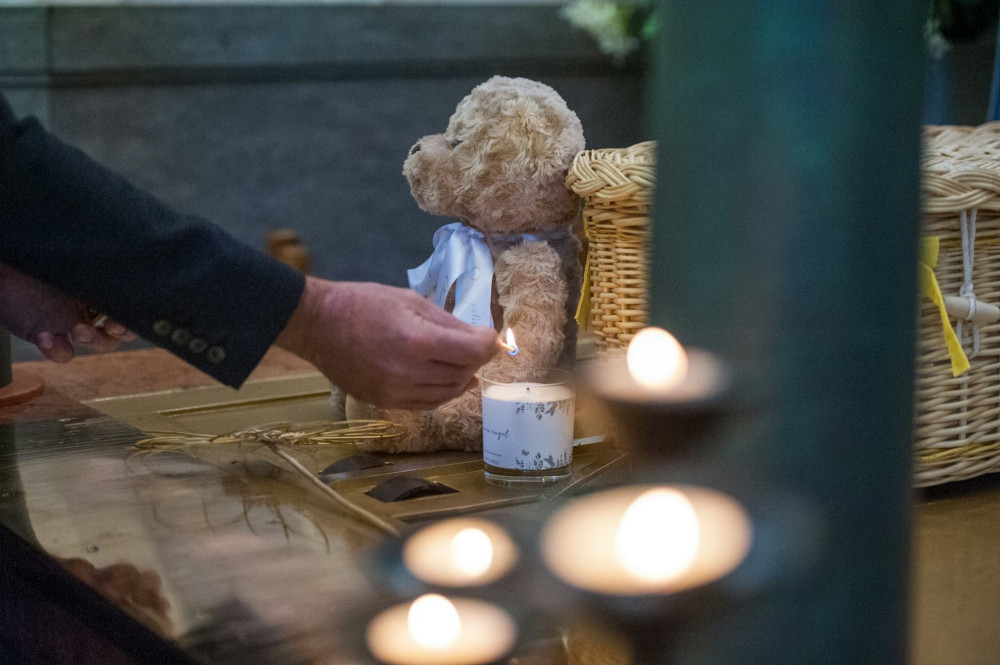
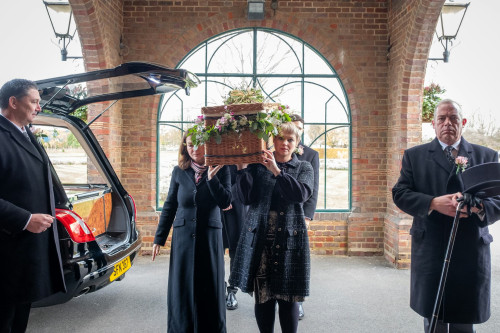
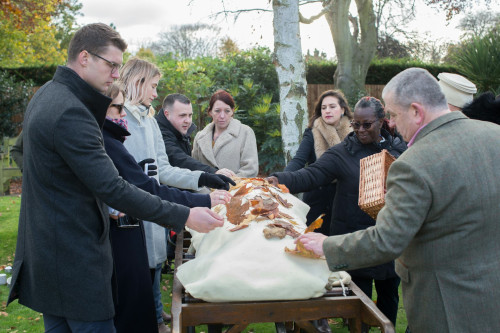
Though comfort often feels deeply personal, it also arises in connection with others. A shared silence, a supportive word, or a simple gesture can remind us that we are seen. In both religious and secular communities, people come together to share grief and hope, discovering that meaning often emerges between us rather than above us.
Across the U.S., grief circles, support groups, and memorial gatherings reflect this idea: that comfort doesn’t have to be given from on high, but can grow among people who are willing to be present with one another.
Hope as a Quiet Movement
Hope isn’t always a blazing light. Sometimes it’s a small shift—a breath, a smile, a day when the weight of sorrow feels a little lighter. Nature, art, and faith each offer paths toward that quiet hope. They remind us that life continues, that beauty persists, and that meaning can be found even when everything seems uncertain.
Comfort without dogma isn’t about finding the right answers. It’s about staying open—to the world, to others, and to the mysteries we can’t explain. In that openness, we may find not only comfort, but a renewed sense of hope.
Læs også: