Wall Materials – From Aesthetics to Acoustics

Wall Materials – From Aesthetics to Acoustics
Walls are far more than the surfaces that divide rooms. They shape the look, comfort, and function of a home. The choice of wall material affects not only aesthetics but also acoustics, indoor air quality, and maintenance. As more Americans renovate or build with an eye toward design, sustainability, and comfort, interest in wall materials has grown significantly. Here’s an overview of how to think about wall materials—from aesthetics to acoustics.
From Drywall to Brick – The Classic Choices
Most modern U.S. homes feature drywall over a wood or metal frame. It’s an affordable, flexible solution that makes it easy to change layouts and hide wiring or plumbing. Drywall can be painted, textured, or wallpapered, offering a clean, versatile look.
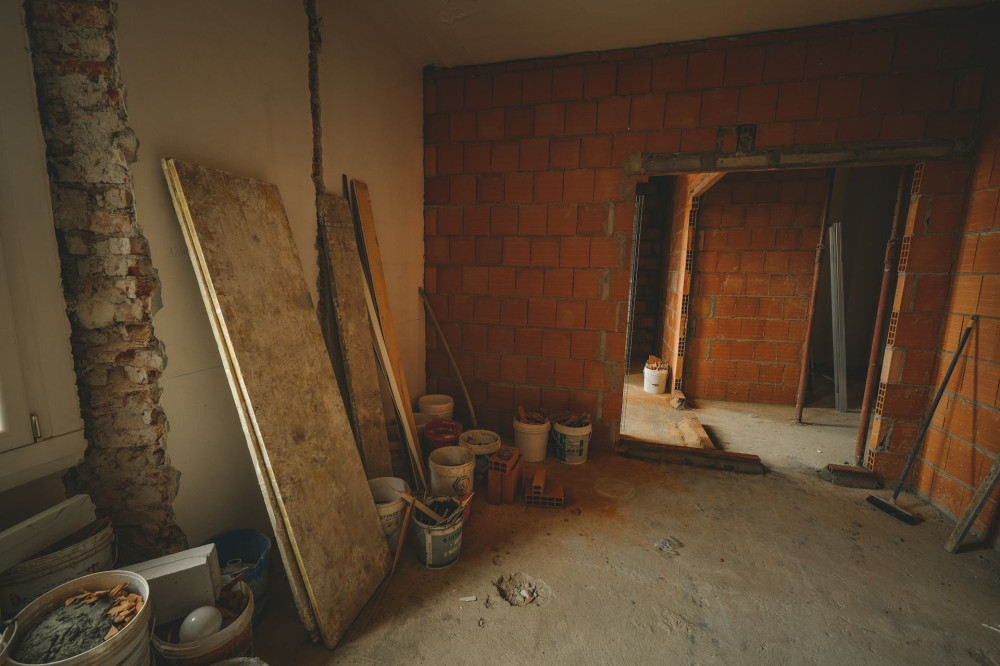
Brick remains a timeless favorite, whether used structurally or as an accent wall. An exposed brick wall adds warmth and character, especially in lofts or renovated industrial spaces. Brick also provides excellent sound insulation and helps regulate indoor humidity by absorbing and releasing moisture.
Concrete walls are another durable option, often seen in contemporary architecture. They create an industrial aesthetic and offer high mass, which means good soundproofing and thermal stability. However, concrete can feel cold and hard—both visually and acoustically—unless softened with wood, textiles, or other warm materials.
Læs også:



New Materials and Finishes
Beyond the classics, new materials are gaining popularity for their blend of design, performance, and sustainability.
- Wood panels bring natural warmth and texture. Available in solid wood, veneer, or slatted designs, they can dramatically improve a room’s acoustics by absorbing sound.
- Acoustic panels made from felt, cork, or wood slats are increasingly common in both homes and offices. They reduce echo and noise while adding visual interest.
- Clay and lime plasters—traditional materials making a comeback—are breathable, helping walls “breathe” and regulate humidity. Their soft, matte surfaces create a natural, ever-changing play of light.
Acoustics – The Overlooked Comfort Factor
The way a room sounds is just as important as how it looks. Hard surfaces like concrete, glass, and painted drywall reflect sound, creating echo and noise—especially in open-plan spaces where kitchens, dining, and living areas flow together.
Choosing wall materials with sound-absorbing qualities can make a big difference. Wood slats backed with acoustic felt, fabric wall coverings, or perforated drywall panels are effective solutions. Even treating a single wall with a softer material can noticeably improve comfort and clarity in a room.
Color, Texture, and Light
Wall materials and finishes interact closely with color and light. A matte plaster or limewash surface diffuses light softly, while a smooth painted wall reflects it more directly. Natural materials like brick and wood add depth and variation that change throughout the day.
When selecting wall materials, consider how they harmonize with the rest of the space—floors, ceilings, furniture, and lighting. A natural surface can balance a room full of sleek finishes, while a uniform wall can bring calm to a visually busy interior.
Sustainability and Indoor Air Quality
More homeowners are now choosing materials with low environmental impact and healthy indoor air properties. Clay, lime, and wood are natural, non-toxic options that help maintain balanced humidity and temperature.
For remodels, reclaimed materials—such as salvaged brick or recycled wood panels—can reduce resource use and add unique character. Many U.S. suppliers now offer eco-certified or locally sourced wall products that support sustainable building practices.
Choosing the Right Material
When deciding on wall materials, start with the room’s purpose and desired atmosphere:
- Living areas: Prioritize acoustics and aesthetics. Wood, acoustic panels, or textured plaster create warmth and calm.
- Kitchens and bathrooms: Choose moisture-resistant, easy-to-clean materials like tile, painted drywall, or microcement.
- Bedrooms: Opt for soft, matte finishes and natural materials that promote a healthy, restful environment.
- Entryways and hallways: Durability and easy maintenance matter most—consider washable paint or wainscoting panels.
Often, the best results come from combining materials to balance function, beauty, and comfort.
From Surface to Experience
Walls are no longer just the backdrop of a home—they’re an active part of its design and atmosphere. With the right materials, you can create spaces that look beautiful, sound pleasant, and feel healthy to live in. Whether you’re building new or renovating, your choice of wall material is worth careful thought—it will shape your home’s comfort and character for years to come.
Læs også: