Choose the Right Building Lot: How to Assess Its Potential

Choose the Right Building Lot: How to Assess Its Potential
Finding the right building lot is one of the most important steps when planning to build your own home. The lot sets the stage for everything that follows—design, cost, and long-term comfort. But how do you know if a piece of land truly has potential? Here’s a guide to help you evaluate a lot before you commit.
Location – More Than Just a ZIP Code
Location is often the first thing buyers consider, but it’s about more than proximity to work or schools. Think about how the area fits your lifestyle and future plans.
- Community and amenities – Are there grocery stores, parks, and healthcare facilities nearby? What’s the local school district like?
- Growth and zoning – Research whether the area is expanding and if there are plans for new developments, highways, or commercial zones that could affect noise, traffic, or property values.
- Safety and environment – Check local crime rates and whether the area is prone to flooding, wildfires, or other natural hazards.
Visit the neighborhood at different times of day to get a feel for traffic, lighting, and atmosphere. A quiet morning might not reflect the evening rush.
Soil and Terrain – The Hidden Foundation
Even the most scenic lot can hide challenges beneath the surface. Soil conditions and topography have a major impact on construction costs and stability.
- Soil testing is essential before purchase. A geotechnical engineer can determine if the soil can support a foundation or if special measures are needed.
- Drainage and groundwater – Poor drainage or a high water table can lead to moisture problems and require additional grading or waterproofing.
- Slope and elevation – A sloped lot can offer great views but may increase excavation and retaining wall costs.
A professional soil report may cost a few hundred to a few thousand dollars, but it can save you from expensive surprises later.
Zoning and Building Regulations – Know the Rules
Before you fall in love with a lot, check local zoning laws and building codes. These determine what and how you can build.
Look for information on:
- Minimum lot size and setbacks from property lines
- Maximum building height and floor area ratio
- Restrictions on home style, materials, or exterior colors (especially in planned communities or HOA areas)
- Easements or utility rights-of-way that limit where you can build
If your dream home design doesn’t fit the zoning requirements, you may need to apply for a variance—something that isn’t always guaranteed.
Sunlight, Views, and Wind – Small Details, Big Impact
Stand on the lot and imagine your future home. Where will the sun rise and set? How can you make the most of natural light and views?
- Orient the home toward the south to maximize sunlight and energy efficiency.
- Plan outdoor spaces like patios or decks in sheltered areas to reduce wind exposure.
- Consider privacy and shade from neighboring homes or trees.
A simple compass and a few observations can help you design a home that feels comfortable year-round.
Utilities and Access – The Practical Side
Check whether the lot is ready for construction—that is, whether it already has access to essential utilities such as electricity, water, sewer, and internet. If not, you’ll need to pay for connections, which can be costly.
Ask local authorities or utility companies about:
- Connection fees and installation timelines
- Availability of high-speed internet or natural gas
- Road access and maintenance responsibilities (especially for rural lots)
These factors can significantly affect both your budget and your construction schedule.
Læs også:

Budget and Overall Assessment
When evaluating a lot, look at the total cost, not just the purchase price. A cheaper lot can end up being more expensive if it requires extensive site work or special foundations.
Include in your budget:
- Purchase price and closing costs
- Soil testing and site preparation
- Utility connections and permits
- Construction costs and contingencies
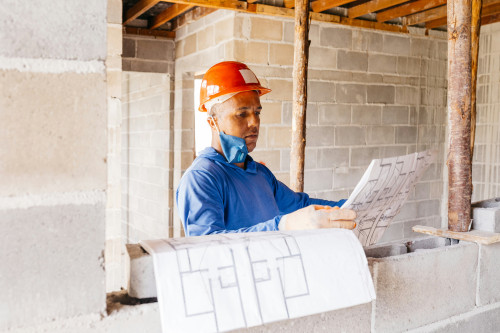
It’s wise to bring a builder, architect, or engineer to inspect the lot before you buy. Their expertise can help you spot potential issues and assess whether the site fits your vision.
A Lot with Promise – and Peace of Mind
Choosing the right building lot is about balancing dreams with practical realities. A well-located, stable, and properly zoned lot provides a strong foundation for your future home.
Take your time to research, ask questions, and trust both your instincts and professional advice. With careful evaluation, you’ll be ready to build your dream home on solid ground—literally and figuratively.
Læs også: