Patience in the Kitchen: Learning to Appreciate the Craft of Cooking

Patience in the Kitchen: Learning to Appreciate the Craft of Cooking
In a world where convenience often trumps craftsmanship, and where takeout apps and prepackaged meals promise instant gratification, patience in the kitchen can feel like a lost art. Yet patience is one of the most essential ingredients in truly good cooking. It’s what transforms a simple meal into an experience—something that nourishes not only the body but also the spirit. Learning to appreciate the process of cooking isn’t just about making better food; it’s about slowing down, finding focus, and taking pride in what you create.
When Cooking Becomes More Than the End Result
For many, cooking is a means to an end: getting dinner on the table. But for those who love to cook, the process itself is just as rewarding as the finished dish. The gentle sizzle of onions softening in butter, the rhythmic kneading of bread dough, or the moment a sauce thickens to perfection—these are the quiet joys that remind us cooking is a craft.
When you take time to notice these small moments, cooking becomes more than a chore. It becomes a sensory experience, a way to connect with the ingredients and the act of creation itself. Patience, in this sense, isn’t an obstacle—it’s the path to deeper flavor and greater satisfaction.
The Beauty of Slow Food
There’s a reason slow-cooked dishes, sourdough bread, and homemade stock have made a comeback in American kitchens. They take time, but they give back in abundance. When food is allowed to develop slowly, something magical happens: flavors deepen, textures evolve, and the aroma fills the home with warmth.
- Slow-cooked stews like chili or pot roast become richer the longer they simmer, as the meat tenderizes and the sauce gains complexity.
- Sourdough bread demands patience and planning, but the reward is a crisp crust and a tangy, nuanced flavor that no quick-rise dough can match.
- Homemade stock may take hours, but it forms the foundation for soups and sauces that taste unmistakably real.
This isn’t about wasting time—it’s about understanding that some things simply can’t be rushed without losing their essence.
Embracing Mistakes as Lessons
Patience in the kitchen also means accepting that mistakes are part of the journey. A burnt crust, a broken sauce, or a loaf that refuses to rise can feel discouraging, but each misstep teaches something valuable about timing, temperature, or technique. Every cook, from beginner to professional, learns through trial and error.
When you see cooking as a craft, mistakes stop being failures and start being lessons. They’re signs of growth, of curiosity, of a willingness to try again. That’s how you develop intuition—the kind of understanding that no recipe can fully teach.
Læs også:
Mindfulness as a Secret Ingredient
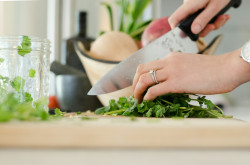
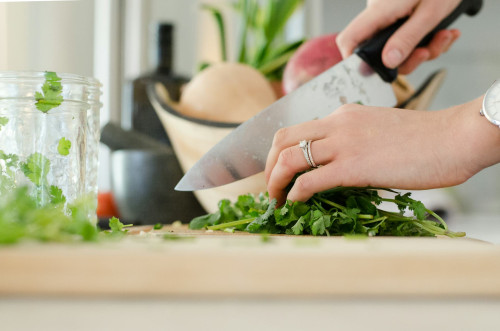
Cooking can be a form of mindfulness. When you chop vegetables at an unhurried pace, stir a pot, or taste and adjust seasoning, you’re fully present. It’s a rare kind of focus in a world that constantly demands multitasking. In the kitchen, time slows down, and you reconnect with your senses.
Being mindful also means noticing the details: how a tomato smells when it’s perfectly ripe, how a sauce changes when you add a splash of lemon, or how bread dough feels when it’s ready to bake. These small observations deepen your understanding of food—and of yourself as a cook.
Sharing the Process, Not Just the Meal
Patience in the kitchen isn’t only a solitary pursuit. It’s also about sharing the experience with others. Cooking together—whether with family, friends, or kids—creates connection. When you chop, stir, and taste side by side, the kitchen becomes a space for conversation, laughter, and learning.
Children, especially, can gain so much from being part of the process. They learn not just about food, but about patience, teamwork, and the joy of creating something from scratch.
A Celebration of the Slow
To appreciate the craft of cooking is, in many ways, to celebrate slowness itself. It’s a reminder that quality takes time, and that the joy of food lies not only in the eating but in the making. When you learn to savor the small steps—to stir, to smell, to taste, to wait—the kitchen becomes more than a workspace. It becomes a place of calm, creativity, and care.
So the next time you’re tempted to rush a meal, let time do its work. Patience isn’t wasted—it’s the secret ingredient behind every truly memorable dish.
Læs også: