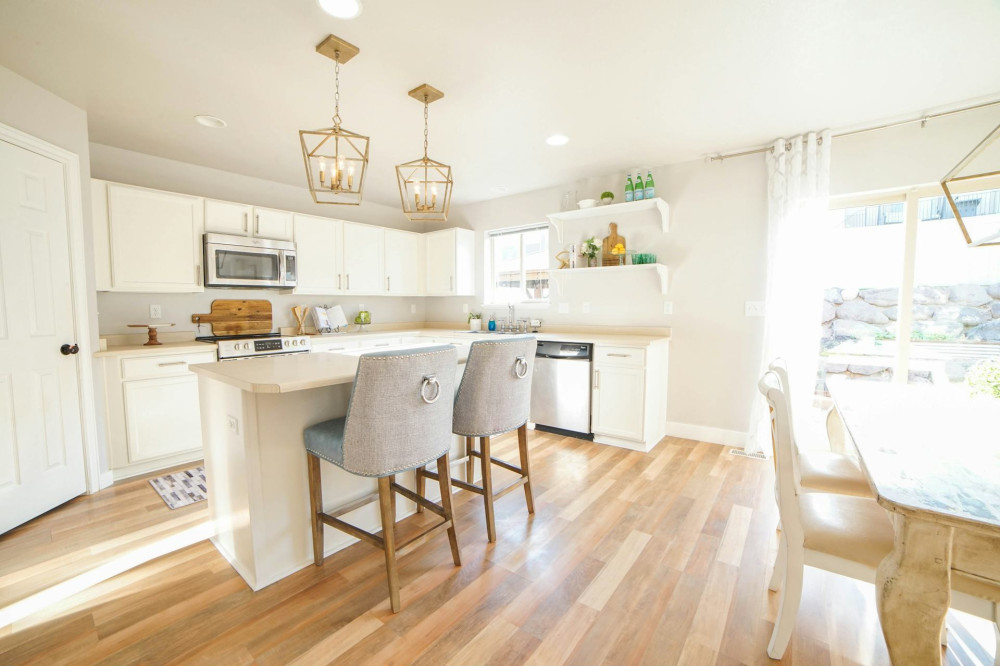
The Importance of Floor Plans: How Room Layout Affects Light and Views in Your Home

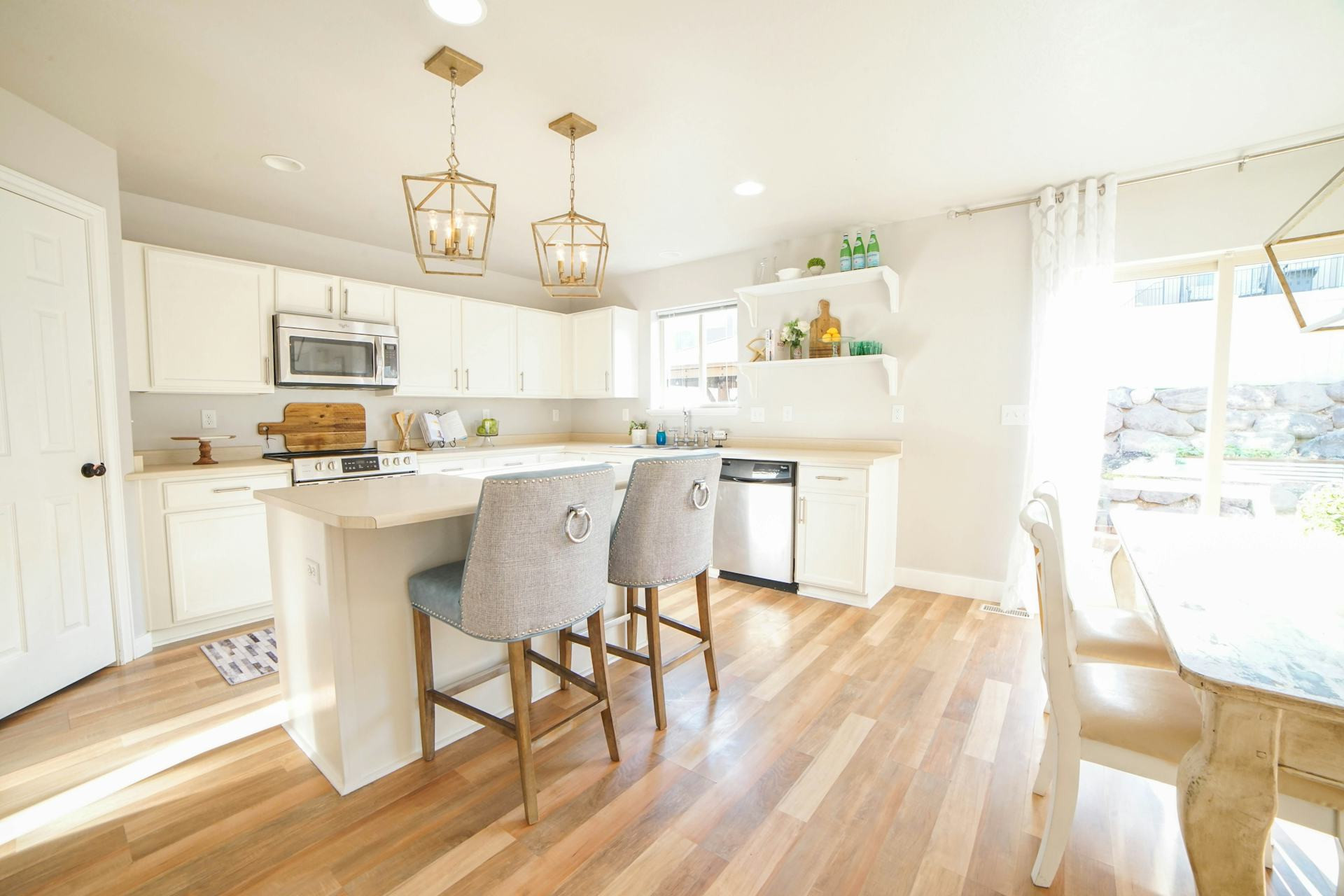
The Importance of Floor Plans: How Room Layout Affects Light and Views in Your Home
When you walk into a home, it’s rarely just the furniture or the color palette that sets the mood. The layout—the way rooms connect, how light moves through the space, and what you see from each angle—plays an equally important role. A well-designed floor plan can make even a modest home feel bright and spacious, while a poor layout can make large square footage feel dark and confined.
In this article, we’ll explore how your home’s layout influences natural light, views, and the overall sense of space—and how thoughtful design choices can make a big difference.
Light: The Lifeblood of Architecture
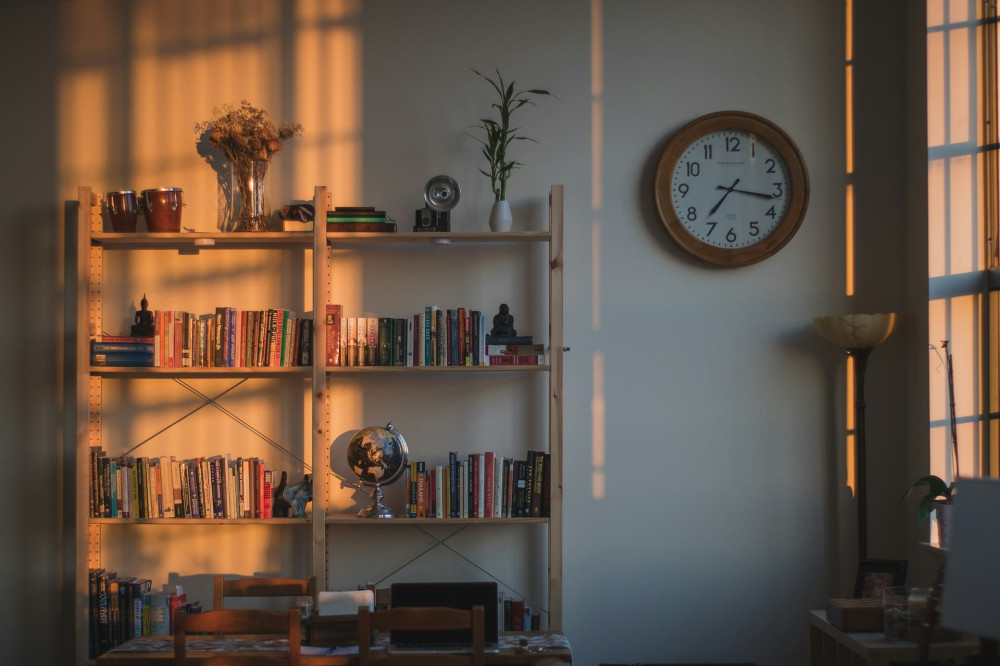
Natural light is one of the most powerful elements in home design. It affects our mood, energy, and perception of space. A floor plan that considers the sun’s path throughout the day can make the most of available light and reduce the need for artificial lighting.
- Living areas facing south or west capture warm afternoon and evening light—perfect for family rooms and open kitchens where people gather later in the day.
- Bedrooms facing east benefit from gentle morning light, helping you wake up naturally.
- Home offices or studios facing north receive consistent, indirect light that’s ideal for focus and creativity.
By aligning rooms with the sun’s movement, you can create a natural rhythm in your home—one that feels comfortable, energizing, and efficient.
Læs også:
Open vs. Closed Spaces: Finding the Right Balance
Open floor plans are a hallmark of modern American homes. They create a sense of flow and connection, making spaces feel larger and more social. But completely open layouts can also lead to noise issues and a lack of privacy.
The key is balance. Partially open connections—such as wide doorways, glass partitions, or half walls—allow light and sightlines to pass through while still defining separate zones.
For example, a kitchen that opens to the living room can still feel distinct if separated by a breakfast bar or a change in ceiling height. This approach maintains openness while giving each area its own character and function.
Views and Orientation: When the Room Meets the Outdoors
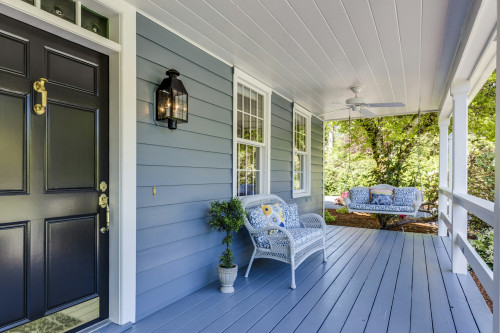
What you see from your windows has a major impact on how a room feels. A view of trees, sky, or even a well-kept garden can make a space feel calm and expansive. In urban settings, strategic window placement can frame light and sky while maintaining privacy.
Think also about sightlines within the home. When you can glimpse daylight from the entryway or see through multiple rooms, your home feels larger and more connected. It’s not just about square footage—it’s about how your eyes and body move through the space.
Small Homes, Big Light
In smaller homes or apartments, layout decisions are even more critical. Smart design can make limited space feel open and airy.
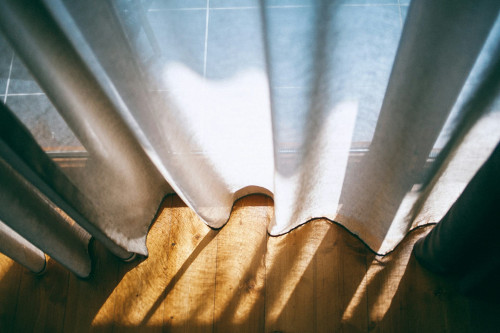
Use multi-functional rooms and transparent materials to let light travel freely. Glass doors, light-colored walls, and open shelving can help distribute brightness. Sliding doors or sheer curtains can provide privacy when needed without blocking light or breaking the sense of openness.
Rethinking Your Floor Plan
If you’re considering a remodel, start by observing how light moves through your home during the day. Where are the dark corners? Which rooms feel too bright or too dim?
A designer or architect can help you determine which walls can be removed or modified to improve flow and light. Sometimes, small changes—like widening a doorway or adding a window—can dramatically transform how a space feels.
Light, Views, and Well-Being
A thoughtful floor plan isn’t just about aesthetics—it’s about quality of life. When light, views, and spatial flow work together, your home feels balanced and uplifting. It influences how you relax, work, and connect with others.
Whether you live in a city apartment, a suburban house, or a rural retreat, intentional design choices can help you create a home that feels bright, open, and harmonious—all year long.
Læs også: