Small Steps, Big Changes: Realistic Goals for Lasting Lifestyle Improvement


Small Steps, Big Changes: Realistic Goals for Lasting Lifestyle Improvement
When we decide to make a lifestyle change—eat healthier, move more, or find better balance—it’s tempting to go all in. We set ambitious goals, make detailed plans, and promise ourselves that this time will be different. But when everyday life catches up, motivation often fades. The truth is, lasting change rarely comes from big, dramatic overhauls. It comes from small, realistic steps that we can sustain over time.
Why Small Steps Work
Behavioral research shows that we’re more likely to stick with new habits when they feel manageable. Small changes require less willpower and deliver quicker wins—those early successes are key to keeping motivation alive.
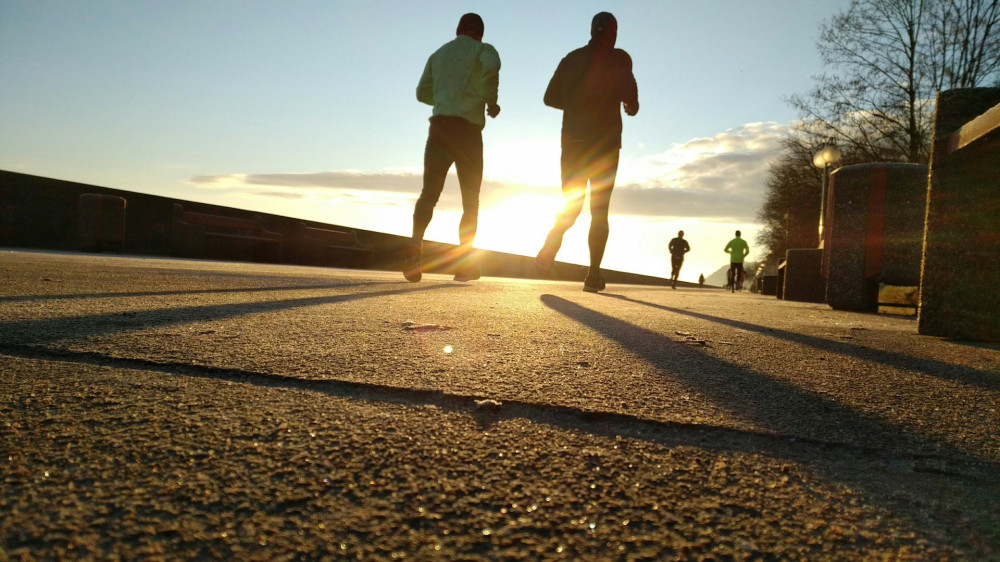
For example, deciding to take a short walk after dinner instead of signing up for a marathon makes it far more likely that you’ll actually follow through. Over time, that short walk can turn into a longer one, and before you know it, movement becomes a natural part of your day.
Læs også:




Setting Realistic Goals
A realistic goal fits your current lifestyle, resources, and motivation. It’s not about thinking small—it’s about thinking sustainably. A helpful framework is the SMART model, which reminds you to make goals that are:
- Specific – What exactly do you want to change?
- Measurable – How will you know you’ve achieved it?
- Attractive – Why does it matter to you?
- Realistic – Is it doable within your circumstances?
- Time-bound – When will you take the first step?
For instance: “I will take a 20-minute walk three times a week for the next month.” It’s concrete, measurable, and fits easily into most schedules.
Celebrate Small Wins
When working toward lifestyle changes, it’s important to recognize progress—no matter how small. Many people focus on what they haven’t achieved, but it’s far more motivating to notice what’s going well.
Make a habit of tracking your progress: maybe you went to bed 30 minutes earlier, added vegetables to lunch, or chose the stairs instead of the elevator. Each small victory is proof that you’re capable of change and a step toward your larger goal.
Make It Easy on Yourself
One of the most effective ways to build new habits is to remove barriers. If you want to eat healthier, stock your fridge with nutritious foods and make the healthy choice the easy one. If you want to move more, lay out your workout clothes the night before or find a friend to join you.
Small adjustments to your environment can make a big difference. It’s not about having more willpower—it’s about setting yourself up for success.
When Motivation Fades
Even with the best intentions, there will be times when motivation dips. That’s completely normal. Instead of seeing it as failure, treat it as feedback. Maybe your goal was too ambitious, or maybe you just need a change of pace.
Ask yourself: What’s the smallest step I can take today that moves me closer to my goal? It might be taking a short stretch break, drinking an extra glass of water, or spending five minutes outside. The key is to keep moving forward, even slowly.
Build a Lifestyle, Not a Quick Fix
Many lifestyle changes fail because they’re treated as temporary projects—a diet, a challenge, a quick fix. But lasting improvement comes from building habits, not restrictions.
When you start to enjoy the small changes—feeling stronger, sleeping better, having more energy—they become part of who you are. That’s where real transformation happens: not through drastic decisions, but through consistency and patience.
Small Steps, Big Impact
Creating a healthier lifestyle isn’t about perfection—it’s about progress. Every small step you take in the right direction changes not just your behavior, but your mindset. Over time, those small steps add up to big changes, and what once felt impossible becomes a natural part of your everyday life.
Læs også: