Landscapes That Shape the Experience: From Mountains to Coastal Areas

Landscapes That Shape the Experience: From Mountains to Coastal Areas
Landscapes influence us more than we often realize. They shape not only our surroundings but also our emotions, memories, and sense of connection to the world. From the rugged peaks of mountain ranges to the calm expanses of coastal shores, nature tells its own story—and invites us to be part of it. This article explores how different landscapes across the United States shape our experiences and why it’s worth seeking both the heights and the horizons.
The Majesty of Mountains – and the Humility They Inspire
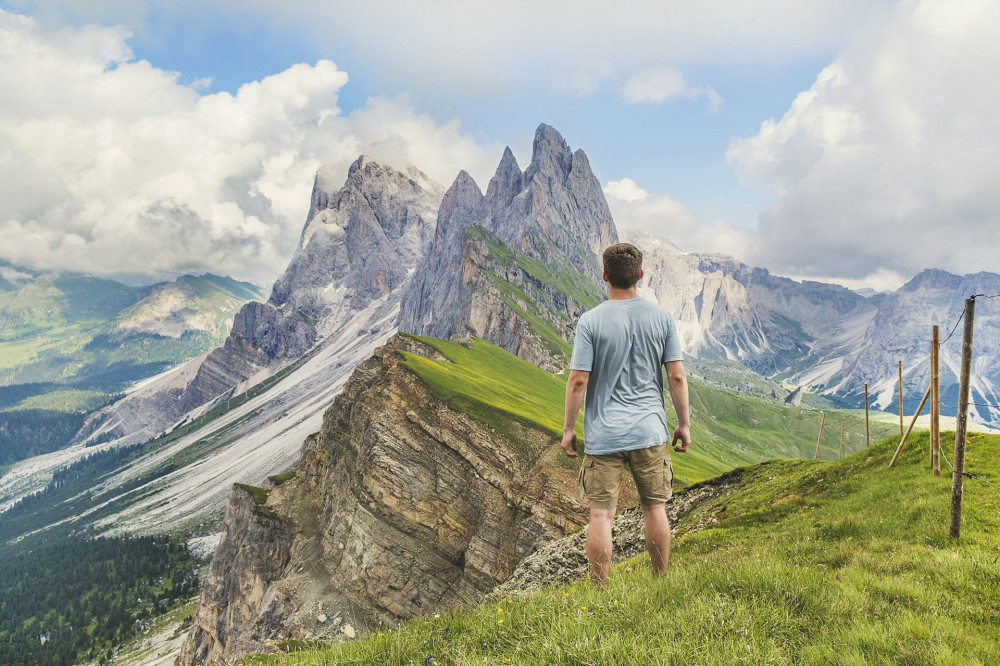
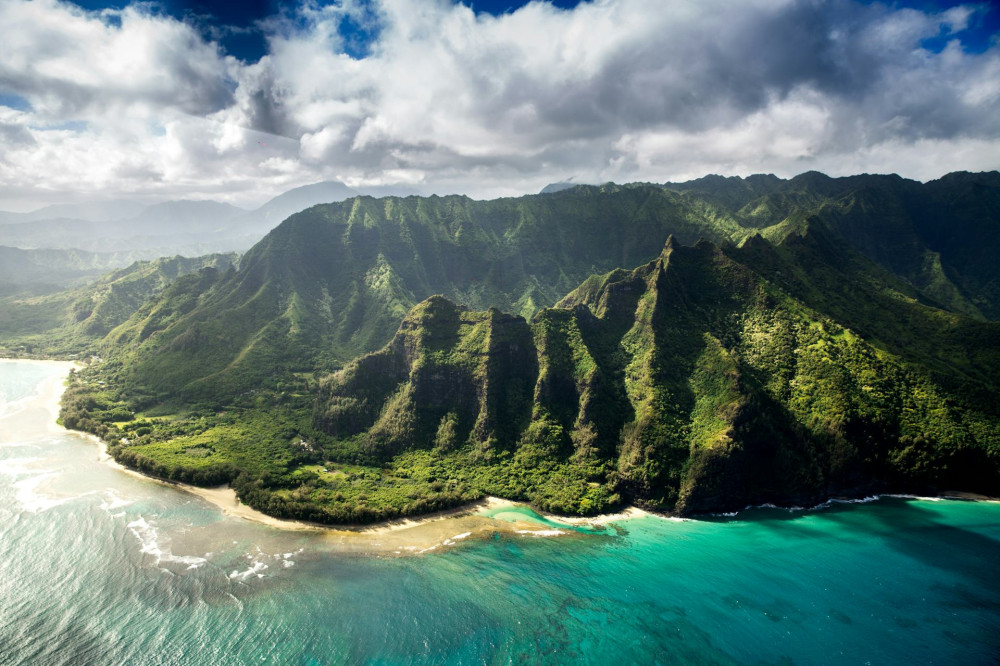
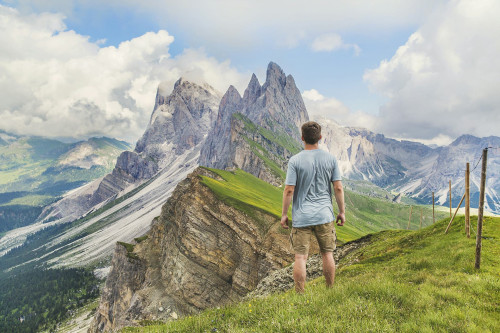
There’s something profound about standing on a mountaintop. The sweeping view, the crisp air, and the sense of accomplishment create an experience that stays with you. Mountain landscapes appeal to the adventurer in us—they demand effort but reward us with perspective.
In the Rockies, the Sierra Nevada, or the Appalachian Mountains, nature’s power is palpable. Weather can shift in minutes, and the terrain challenges both body and mind. Yet, amid the vastness, there’s a deep sense of calm. Many describe time in the mountains as a kind of mental reset—a place where thoughts settle and where one feels both small and deeply connected to something greater.
Plains and Forests – The Rhythm of Everyday Nature
Between the mountains and the coasts lie the landscapes where many Americans live their daily lives: plains, farmlands, and forests. These environments may seem gentler, but they are no less meaningful. The open spaces of the Midwest offer a sense of freedom and reflection, while the forests of the Pacific Northwest or New England invite quiet focus and renewal.
Research shows that spending time in green spaces reduces stress and improves concentration. Perhaps that’s why we’re drawn to the woods when we need to breathe deeply. A walk beneath tall pines or a picnic in a meadow can be as restorative as a mountain climb—just in a different way.
Læs også:

The Ever-Changing Coastline
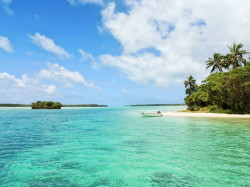
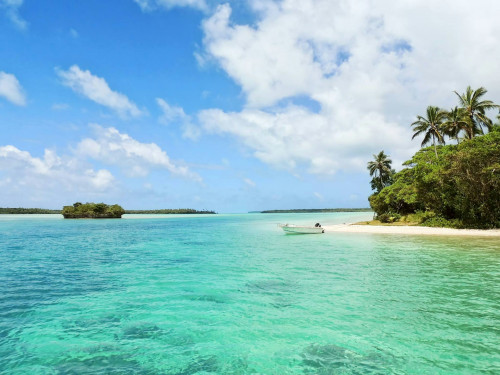
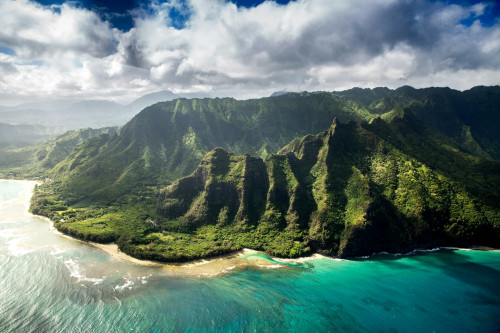
At the coast, we encounter a landscape in constant motion. Waves reshape the shore each day, and the light shifts from hour to hour. The ocean has a unique ability to calm and inspire—perhaps because it reminds us of nature’s rhythm and our place within it.
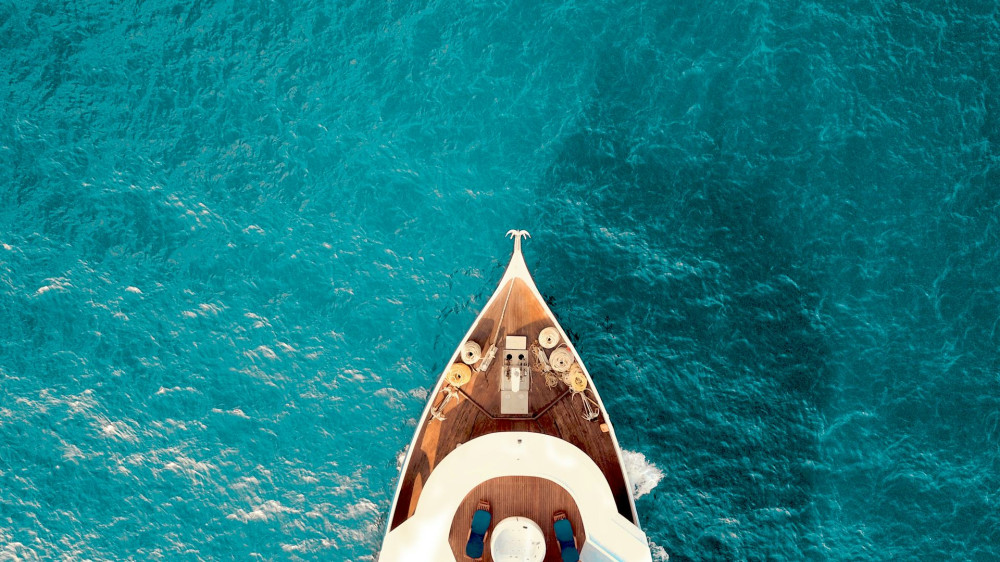
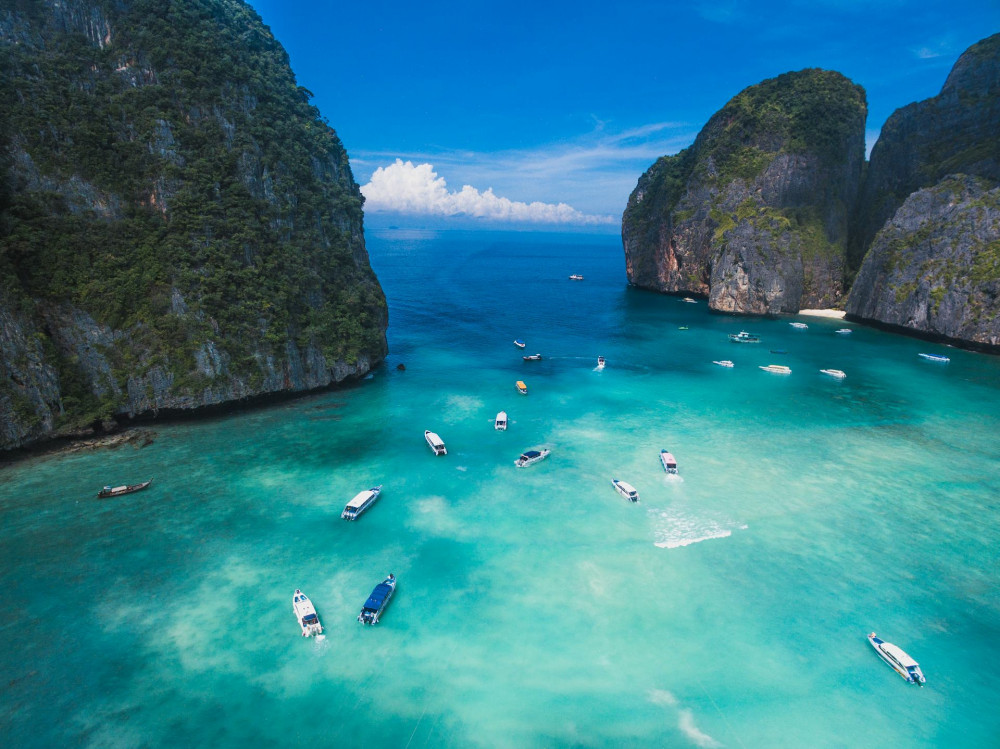
From the rocky cliffs of Maine to the sandy stretches of California, coastal areas attract both those seeking peace and those craving activity. Surfers, sailors, and swimmers find energy in the ocean’s movement, while others simply enjoy walking along the water’s edge, listening to the steady rhythm of the waves. However you experience it, the sea offers a space where time and thought flow freely.
Where Landscapes Meet – The Power of Transition
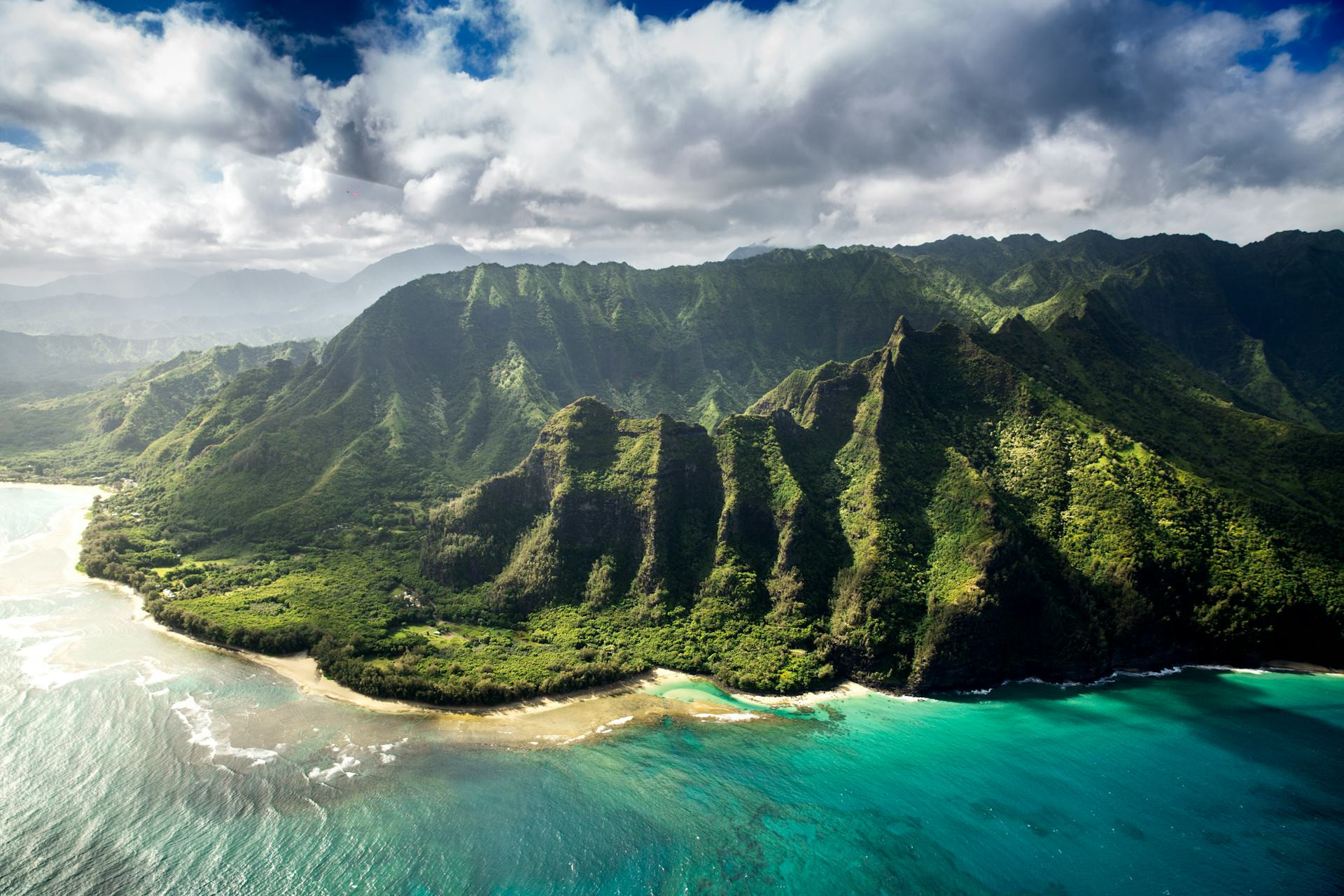
One of nature’s most fascinating qualities is the transition between landscapes. Where mountains give way to valleys or forests open toward the sea, a special kind of energy emerges. It’s often in these in-between places that we experience nature’s diversity most vividly—and where we see how different elements coexist and interact.
These transitional zones are also rich in life. Plants and animals from different habitats meet here, creating a biological and visual variety that deepens our sense of wonder. For travelers and nature lovers, it’s often in these meeting points that the story of the land feels most alive.
Traveling Through Landscapes – A Journey Within
As we move through different landscapes, it’s not only the scenery that changes—we do too. The challenges of the mountains can build strength and confidence, while the calm of the coast can bring clarity and peace. That’s why many people travel not just to see new places, but to feel something new within themselves.
Whether you prefer hiking in the high country, cycling across open plains, or walking barefoot along the shore, it’s all about being present. Let the landscape shape the experience—and perhaps, in the process, shape you.
Læs også: